تُعدّ نقاط التوصيل في لوحات الدوائر المطبوعة (PCB) جزءًا أساسيًا من عملية تصنيعها، إذ تُحدّد أماكن لحام المكونات على اللوحة. وإذا لم يتم تركيبها بشكل صحيح، فقد ينتج عنها وصلات رديئة، ودوائر قصر، ومشاكل في التجميع. سواءً كنت تُصمّم لوحتك الأولى أو تُحسّن تصميمًا موجودًا، فمن الضروري جدًا معرفة أنواع نقاط التوصيل ومعايير أحجامها لضمان نجاح عملية تصنيع لوحات الدوائر المطبوعة.
ما هي منصات PCB؟
تُعرف نقاط التوصيل في لوحات الدوائر المطبوعة (PCB)، أو نقاط اللحام، بأنها مناطق مُصممة خصيصًا لتوصيل المكونات الإلكترونية. عادةً ما تكون هذه النقاط دائرية أو مستطيلة الشكل، ومصنوعة من النحاس أو مواد موصلة أخرى. تُستخدم نقاط التوصيل لربط المكونات الإلكترونية بمسارات لوحة الدوائر المطبوعة. وتوجد عادةً في نهايات المسارات حيث يُفترض وضع المكونات. يؤثر تصميم نقاط التوصيل وموضعها بشكل مباشر على قابلية اللحام، والموثوقية، والتوصيل الحراري للمكون.
أنواع لوحات PCB
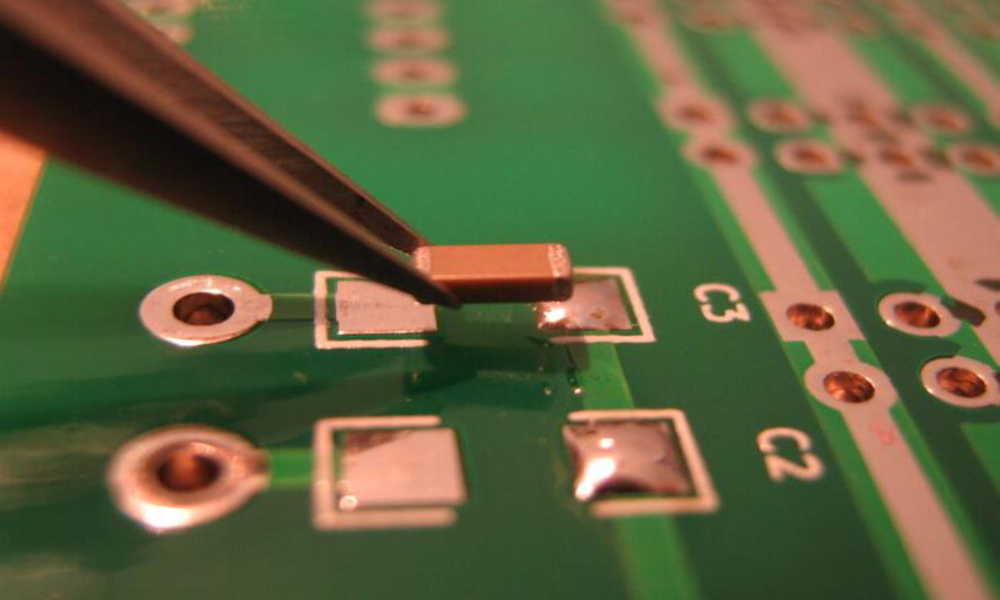
يمكن تصنيف وسادات PCB إلى نوعين رئيسيين بناءً على المكونات وطرق التعبئة والتغليف: وسادات ذات ثقب ووسادات مثبتة على السطح.
وسادة من خلال ثقب
تُستخدم وسادات التوصيل ذات الثقوب لتثبيت المكونات التي تتطلب هذه الثقوب على لوحة الدوائر المطبوعة. تحتوي هذه الوسادات على ثقوب يتم إدخال أطراف المكونات فيها أثناء عملية لحام لوحة الدوائر المطبوعة . من خلال لحام المكونات عبر هذه الوسادات، يتم إنشاء وصلات لحام متينة، مما يضمن اتصالاً ميكانيكياً وكهربائياً موثوقاً به على المدى الطويل مع لوحة الدوائر المطبوعة. مع ذلك، تجدر الإشارة إلى أنه نظراً لوجود أطراف المكونات والثقوب اللازمة، قد تكون مساحة التوصيل المتاحة على لوحة الدوائر المطبوعة متعددة الطبقات محدودة.
يمكن تقسيم وسادات الثقوب المارة إلى نوعين:
- وسادات الثقوب المطلية (PTH):
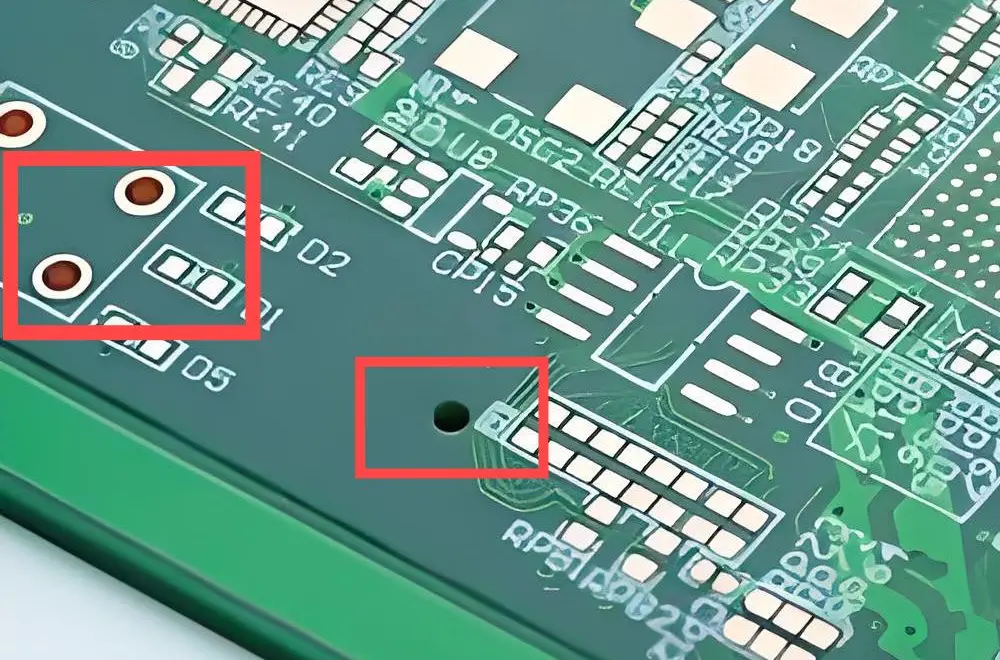
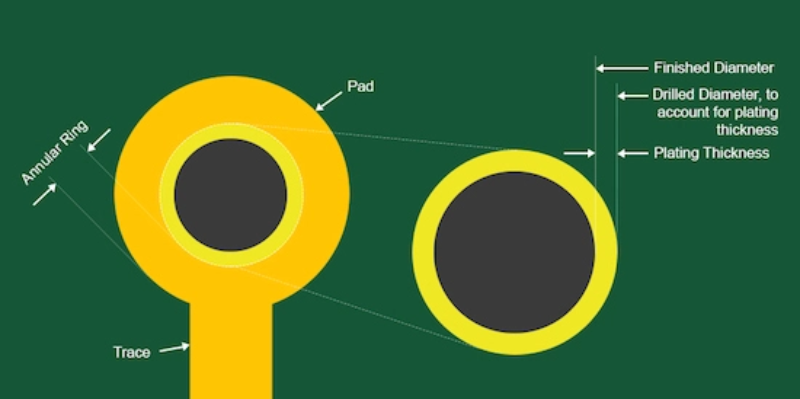
تُعدّ وسادات التوصيل ذات الثقوب المطلية (PTH) ثقوبًا على لوحة الدوائر المطبوعة (PCB) مطلية بطبقة رقيقة من المعدن من الداخل عبر عملية طلاء. تُنشئ هذه العملية مسارًا كهربائيًا يربط بين طبقات اللوحة المختلفة، كما توفر نقطة تثبيت آمنة لدبابيس مكونات التوصيل ذات الثقوب.
- وسادات الثقوب غير المطلية (NPTH):
تعني وسادات التوصيل غير المطلية (NPTH) أن جدار الثقب لا يحتوي على طلاء معدني. تُستخدم عادةً في اللوحات أحادية الجانب أو لأغراض ميكانيكية، مثل تثبيت لوحة الدوائر المطبوعة داخل علبة أو غلاف باستخدام البراغي أو الفواصل.
لوحة التثبيت السطحية
تُستخدم وسادات التثبيت السطحي لتوصيل المكونات الإلكترونية مباشرةً بسطح لوحة الدوائر. ويكمن الفرق بينها وبين وسادات التثبيت عبر الثقوب في أن وسادات التثبيت السطحي تُستخدم لتركيب المكونات الأصغر حجمًا، مما يسمح بتركيب كثافة أكبر من المكونات في مساحة أصغر من اللوحة. مع ذلك، لا تُناسب وسادات التثبيت السطحي المكونات التي ترتفع درجة حرارتها بشكل كبير، إذ قد يُعيق صغر حجم عبواتها تبديد الحرارة، مما يُسبب مشاكل ارتفاع درجة الحرارة.
وسادات BGA
تُصنّف وسادات BGA (مصفوفة الشبكة الكروية) ضمن فئة وسادات التثبيت السطحي، وهي عادةً ما تكون أصغر حجمًا وأكثر كثافة من الوسادات المستخدمة في مكونات التثبيت السطحي الأخرى. ويُستخدم نوعان شائعان من وسادات BGA:
- وسادات قناع اللحام المحددة (SMD)
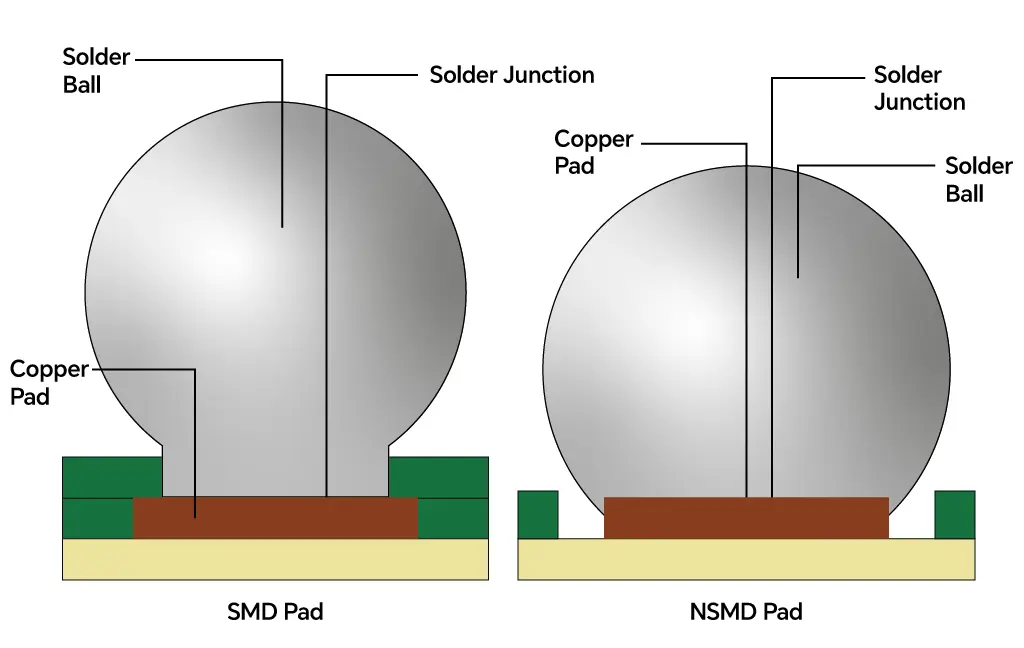
صُممت وسادات اللحام SMD لمكونات BGA بفتحات قناع لحام أصغر من قطر الوسادات التي تغطيها. يهدف هذا إلى تقليل حجم الوسادة التي سيتم لحام المكون بها. يُحقق وضع قناع اللحام لتغطية جزء من وسادة النحاس أسفله ميزتين: أولاً، يُساعد على تثبيت الوسادات على لوحة الدائرة، مما يمنعها من الرفع بسبب الإجهاد الميكانيكي أو الحراري. ثانياً، تُوفر فتحات القناع دليلاً لكل كرة على BGA لتتماشى معه أثناء اللحام.
- وسادات غير ملحومة بقناع (NSMD)
وسادات NSMD (غير مُعرَّفة بقناع اللحام) هي نوع من وسادات النحاس المستخدمة في لوحات الدوائر المطبوعة غير المُغطاة بقناع اللحام. غالبًا ما تكون أصغر حجمًا مقارنةً بقطر كرة اللحام، مما يُقلل حجم الوسادة عادةً بحوالي 20% من قطر الكرة. يسمح هذا التخفيض في حجم الوسادة بتضييق المسافة بين الوسادات، مما يُتيح توجيهًا أكثر كفاءة ويجعلها مناسبة لرقائق BGA عالية الكثافة وذات الدقة العالية. مع ذلك، تتميز وسادات NSMD بقابلية أكبر للانفصال، والذي قد يحدث بسبب الضغوط الحرارية والميكانيكية.
كيفية تحديد حجم وأبعاد وسادات لوحة الدوائر المطبوعة
عند تصميم نقاط اللحام، كيف يتم تحديد أحجامها وأبعادها؟ إليك بعض المصادر الموثوقة:
- معايير الصناعة
يُعدّ معيار IPC-7351 معيارًا صناعيًا معتمدًا على نطاق واسع، ويحدد مواصفات نمط التوصيل السطحي. ويُعتبر اتباع هذا المعيار طريقة عملية لتحديد أحجام نقاط التوصيل.
- مولدات لوحات وبصمات EDA
تحتوي معظم أدوات التصميم الإلكتروني الحديثة على مولدات بصمات مدمجة. تساعد هذه الأدوات في حساب حجم وأبعاد الوسادات الصحيحة تلقائيًا وفقًا للمكونات المختارة.
- بيانات الشركات المصنعة للمكونات
ستتضمن جداول بيانات المكونات نمط توصيل لوحة الدوائر المطبوعة الموصى به والأبعاد الدقيقة للوسادات، والتي تعتبر من أكثر المصادر موثوقية للمهندسين.
- حاسبات إلكترونية
تتوفر العديد من حاسبات الوسادات المجانية عبر الإنترنت، والتي تمكن المهندسين من التحقق من أبعاد الوسادات بسهولة دون الحاجة إلى فتح أداة EDA كاملة.
إرشادات تصميم لوحة PCB
عند تصميم وسادات لوحة الدوائر المطبوعة، فإن اتباع هذه الإرشادات المهمة يمكن أن يضمن أداءً موثوقًا للحام وقابلية التصنيع.
حجم الوسادة:
يعتمد حجم وشكل وتباعد نقاط التوصيل على المتطلبات المحددة للمكونات المستخدمة. وقد تختلف تكوينات نقاط التوصيل باختلاف أنواع المكونات.
- بالنسبة للوسادات أحادية الجانب، يبلغ القطر أو الحد الأدنى للعرض 1.6 مم
- بالنسبة للوسادات ذات الخطوط الضعيفة مزدوجة الجوانب، يكفي زيادة الفتحة بمقدار 0.5 مم فقط، لأن حجم الوسادة الكبير جدًا سيؤدي بسهولة إلى لحام مستمر
- بالنسبة للوسادات ذات الفتحات الأكبر من 1.2 مم أو أقطار الوسادات الأكبر من 3.0 مم، فكر في تصميمها على شكل وسادات ذات أشكال خاصة.
- يجب ألا يقل قطر الثقب الداخلي للوسادة عمومًا عن 0.6 مم، لأن الثقب الأصغر من 0.6 مم يصعب استخدامه عند التثقيب.
تباعد الفوط:
فيما يتعلق بتباعد نقاط التوصيل، من المهم مراعاة حجم دبابيس المكونات التي سيتم إدخالها أو تثبيتها على نقاط التوصيل، مع الأخذ في الاعتبار أيضًا غلاف المكون ذي الصلة. تختلف متطلبات تباعد فتحات تثبيت نقاط التوصيل باختلاف المكونات.
- بالنسبة للمكونات المحورية ذات أقطار الدبابيس الأقل من 0.8 مم، تكون مسافة فتحة التركيب عادةً أطول بمقدار 4 مم من مسافة الفتحة القياسية
- إذا تجاوز قطر دبوس المكون المحوري 0.8 مم، فإن مسافة فتحة التثبيت تكون بشكل عام أطول بأكثر من 6 مم من مسافة الفتحة القياسية لجسم المكون.
- بالنسبة للمكونات الشعاعية، يجب أن تتطابق المسافة بين فتحات التثبيت مع المسافة بين دبابيس المكون.
مساحة تباعد الوسادة:
يجب أن تكون المسافة بين الحواف المتجاورة أكبر من 0.4 مم لتقليل خطر حدوث وصلات لحام أثناء التجميع.
خاتمة
إن اختيار نوع وحجم ومسافة وسادات لوحة الدوائر المطبوعة (PCB) المناسبة ليس مجرد قرار قائم على قواعد محددة. فهذه القرارات تؤثر بشكل مباشر على جودة لحام مكوناتك، بالإضافة إلى متانة الوصلات. كما أنها تُحسّن الكفاءة وتُقلل التكاليف على المدى الطويل، سواءً كنت تستخدم وسادات التثبيت السطحي، أو وسادات التثبيت عبر الثقوب، أو وسادات BGA. إذا كنت ترغب في إنتاج لوحة دوائر مطبوعة عالية الجودة، فأنت بحاجة إلى شركة متخصصة في هذا المجال لضمان جودة وسادات لوحة الدوائر المطبوعة ومتانة وصلات اللحام. مع خبرة تمتد لعشرين عامًا، تُقدم شركة MOKO Technology مجموعة متكاملة من حلول التصنيع الشاملة، بما في ذلك تصميم لوحات الدوائر المطبوعة، وتصنيعها، وإنشاء النماذج الأولية، وتوريد المكونات، وتجميع لوحات الدوائر المطبوعة، واختبارها. تواصل معنا اليوم لمعرفة المزيد!
الأسئلة الشائعة حول وسادات لوحة الدوائر المطبوعة
1. ما الفرق بين وسادة لوحة الدوائر المطبوعة والوصلة البينية؟
تشير منطقة اللحام في لوحة الدوائر المطبوعة (PCB) إلى مساحة النحاس التي سيتم لحام المكونات عليها. أما الوصلة الكهربائية (Via) فهي عبارة عن ثقب مطلي يوفر اتصالاً كهربائياً بين طبقات لوحة الدوائر المطبوعة.
2. هل يمكنك وضع وصلة على لوحة التوصيل؟
نعم، يُطلق عليه تصميم الوصلة داخل الوسادة، وهو شائع جدًا في المكونات ذات المساحة المحدودة، مثل BGAs وQFNs. تُدمج الوصلة مباشرةً في الوسادة، ويجب ملؤها/طلاؤها لضمان عدم تسرب اللحام عبرها أثناء عملية التجميع.
3. ما هي المادة التي تُصنع منها وسادات اللحام؟
عادةً ما تُصنع وسادات اللحام من النحاس، الذي يتميز بموصلية كهربائية ممتازة. وتُغطى أسطح النحاس عادةً بطبقات طلاء مثل HASL أو ENIG أو OSP لتجنب الأكسدة وتحسين قابلية اللحام.
4. ما الفرق بين وسادات SMD ووسادات الثقوب؟
توجد وسادات SMD على سطح اللوحة وتُستخدم للمكونات الصغيرة التي تُلحم مباشرةً على لوحة الدوائر المطبوعة. أما وسادات Through-hole فتتميز بوجود ثقب يخترق اللوحة وتُستخدم لأطراف المكونات التي تُلحم في مكانها.